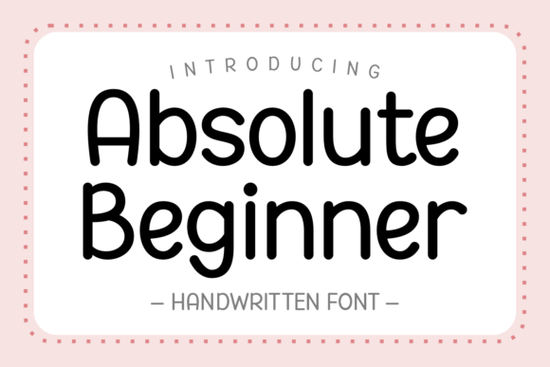
If you’re just starting out with design projects or looking for a handwritten font that feels personal without being messy, Absolute Beginner is worth a closer look. It’s not trying to be overly artistic or complicated instead, it offers a clean, natural flow that works whether you’re making greeting cards for friends or designing product labels for your small business. The name says “beginner,” but don’t let that fool you this font holds up in professional settings too.
What makes Absolute Beginner stand out is how effortlessly it balances warmth and structure. You can use it for school worksheets that need to feel approachable, or pair it with minimalist layouts for branding that still feels human. If you’ve ever used fonts like Brown Carolina Duo or Rainbow and wanted something even simpler to read at smaller sizes, this might be your next go-to.
What kinds of projects does this font actually work well for?
Here’s where Absolute Beginner really shines:
- Greeting cards and invitations the letterforms have enough character to feel handmade, but they’re consistent enough to keep your message clear.
- Educational printables teachers and homeschoolers will appreciate how legible it is, even for younger readers.
- Merchandise and apparel whether you’re printing on mugs, tote bags, or T-shirts, the font scales nicely and doesn’t lose its charm.
- Brand identity logos, business cards, packaging it adds personality without looking unprofessional.
- Social media graphics and web banners especially if you want to avoid that “corporate template” look.
It also plays nicely with other script fonts. Try layering it with something bolder like Wintersnow for contrast, or keep things soft by pairing it with Olivia Scatcer for a cohesive handwritten vibe.
Does it support multiple languages?
Yes and that’s a big plus if you’re creating materials for international audiences or multilingual classrooms. The character set covers most Western European languages, so you won’t run into missing letters or odd substitutions when typing in French, Spanish, German, or Portuguese. This makes it useful not just for personal crafts, but for small businesses expanding their reach online or offline.
Is it really okay for commercial use?
Absolutely. Once you download Absolute Beginner, you’re free to use it in client projects, products for sale, branding no extra licenses or fees. That’s especially helpful if you’re running a print-on-demand shop or offering design services to local businesses. You won’t need to worry about legal fine print later.
How does it compare to other beginner-friendly fonts?
Some script fonts labeled “beginner” are either too rigid (losing that handwritten feel) or too loose (making them hard to read). Absolute Beginner sits right in the middle. The strokes have subtle variation enough to feel organic, not robotic but the spacing and height are consistent. That means less tweaking on your end. You can drop it into Canva, Photoshop, or Silhouette Studio and start designing without fighting alignment or readability issues.
If you’ve tried fonts that looked great in previews but fell apart in real use, this one’s built to perform. No jagged edges at small sizes, no awkward letter collisions, and no weird kerning surprises.
Any tips for getting the most out of this font?
- Use tracking (letter spacing) sparingly the default spacing is already optimized. Adding too much can break the natural rhythm.
- Pair with a simple sans-serif fonts like Montserrat or Lato let Absolute Beginner take center stage without competing.
- Avoid all-caps unless necessary the lowercase letters carry the most personality. Save uppercase for short headlines or accents.
- Test print before finalizing especially for physical products. What looks crisp on screen might need slight size adjustments on fabric or paper.
And if you’re still exploring options, check out how Absolute Beginner stacks up against similar styles in the script fonts collection. Sometimes seeing them side by side helps you pick what fits your project’s tone best.
Ready to try it? Here’s your quick checklist:
- Download and install the font files (OTF/TTF included).
- Open your favorite design tool and test a few words see how it feels.
- Try it in both large headlines and small body text to check readability.
- Save a sample file with your brand colors or project theme for future reference.
- Start simple a quote graphic, a label, or a classroom worksheet before jumping into complex layouts.
Fonts like this don’t need to shout to make an impact. Sometimes, the quiet ones the ones that feel like they were written just for you are the ones that stick around longest in your toolkit.
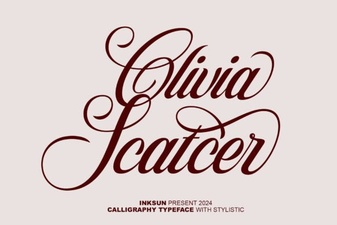 Olivia Script Font: Creative Design Tips & Uses
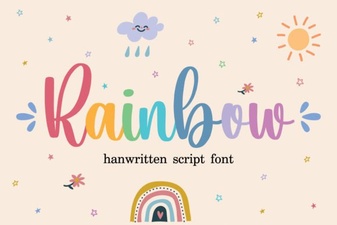 Rainbow Font Generator & Colorful Typography Ideas
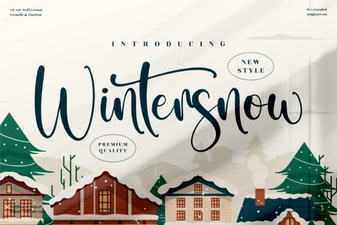 Wintersnow Font for Creative Projects & Clear Typography
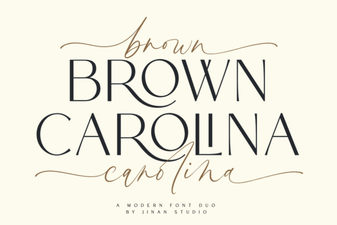 Brown Carolina Duo Font for Modern Design Projects
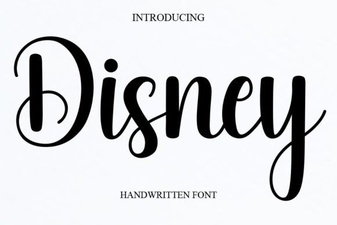 Font Magic: Using Disney Typography in Your Projects
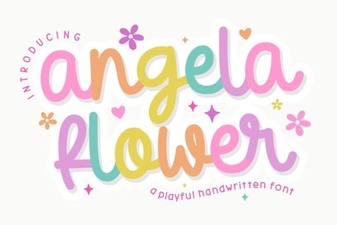 Crafting with the Angela Flower Free Font